
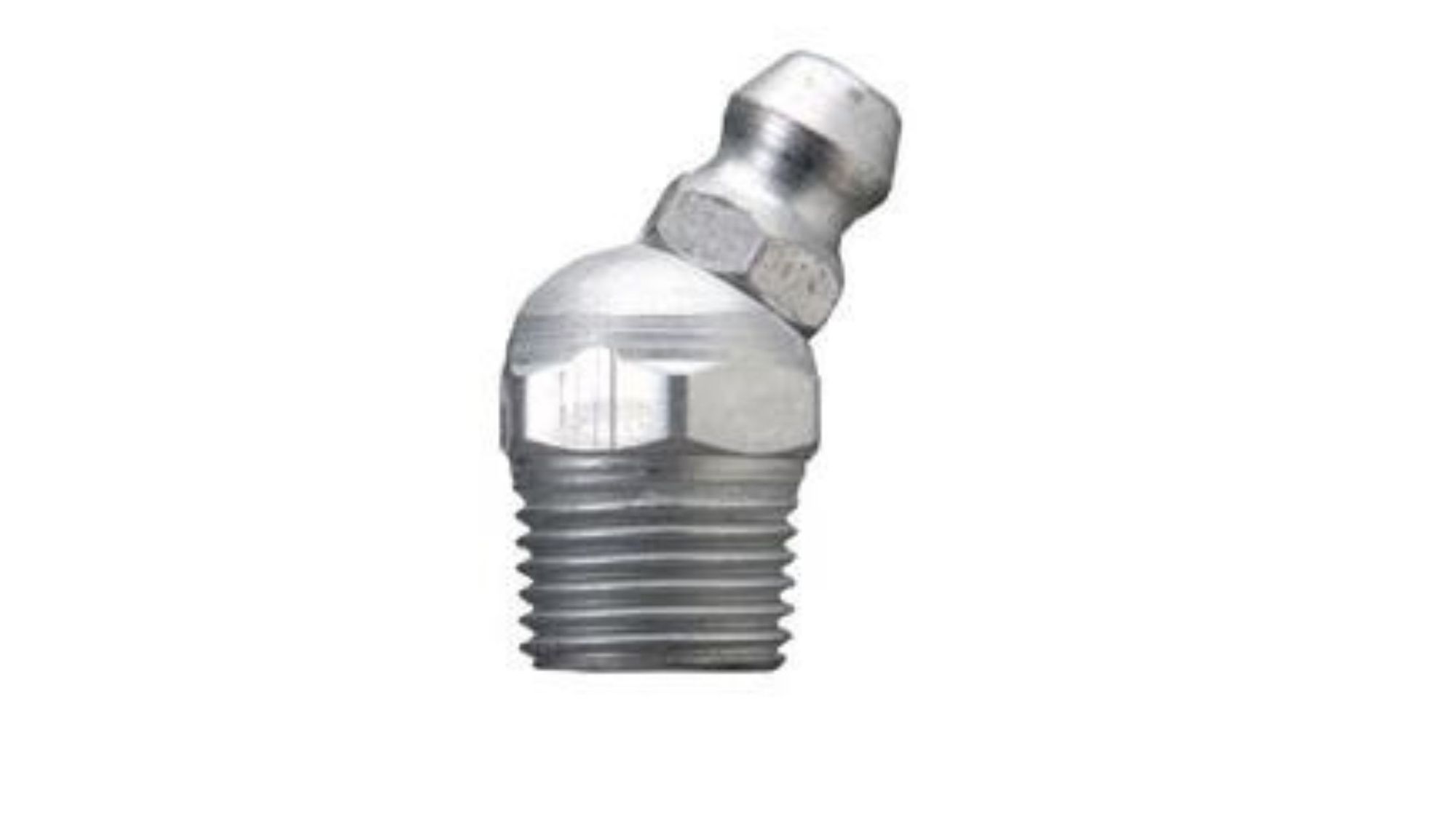
Routine equipment care is one of the best ways to keep machines working well. Small maintenance jobs done on time can prevent larger repairs later. Metric lubrication fittings improve routine equipment care by making it easier to deliver grease to moving parts.
Good lubrication reduces friction, protects components from wear, and keeps machines running smoothly. A simple lubrication routine also lowers repair costs, reduces downtime, and helps equipment stay in service for a longer time.
Missed Lubrication Can Lead to Bigger Problems
Routine maintenance is easy to delay during a busy workday. A missed lubrication point may not cause an immediate problem, but wear begins every time the machine runs without enough grease.
As friction increases, parts become hotter and wear faster. Over time, small problems can turn into costly repairs. Regular lubrication is one of the easiest ways to avoid this type of damage.
Easy Lubrication Makes Routine Care More Consistent
Maintenance becomes easier when grease points are simple to reach. A quick lubrication check takes less time and encourages regular servicing. Small jobs are more likely to be completed when the process is simple.
Metric lubrication fittings support smooth grease delivery during routine maintenance. Fresh grease reaches important moving parts, allowing equipment to stay protected during daily operation.
Regular Greasing Protects Moving Parts
Every machine has parts that move together. Bearings, pins, and bushings create friction while the equipment is running. Grease forms a protective layer between these parts and reduces direct metal contact.
Without enough grease, wear builds over time. Regular lubrication protects important components and helps machines continue working without unnecessary stress.
Good lubrication habits include:
- Following a regular maintenance schedule
- Cleaning grease points before servicing
- Using the correct lubricant
- Checking fittings during inspections
- Replacing damaged fittings when needed
These simple habits improve machine care and reduce the chance of unexpected repairs.
Clean Lubrication Systems Work Better
Grease works best when it stays clean. Dirt, dust, and water can enter lubrication points if fittings are damaged or maintenance is delayed. Dirty grease cannot protect moving parts as well as fresh grease.
Keeping lubrication points clean supports better grease flow. Regular inspections also make it easier to find damaged fittings before they create larger maintenance problems.
Good Fittings Support Better Equipment Care
Every fitting has an important job. It allows grease to move through the lubrication system and reach the parts that need protection. A damaged fitting can slow grease flow or stop it completely.
Good fittings support smooth maintenance and reduce lubrication problems. Reliable components also make routine inspections easier because maintenance teams can quickly identify worn or damaged parts.
Reliable fittings support:
- Better grease flow
- Less wear on moving parts
- Easier routine maintenance
- Lower repair costs
- Longer equipment life
Small improvements in lubrication can make a noticeable difference over the life of the equipment.
Managing Grease Pressure Protects Machine Parts
Adding fresh grease is important, but extra pressure inside the system can also create problems. Too much pressure may affect seals or reduce the movement of grease through the bearing.
A grease relief fitting allows excess grease or pressure to leave the system during lubrication. This supports smoother grease flow and protects important machine parts from unnecessary stress.
Simple Maintenance Builds Long-Term Reliability
Good equipment care is built on regular maintenance, not large repairs. Checking grease points, inspecting fittings, and adding fresh lubricant all help protect machines from early wear.
Some lubrication systems also include a grease relief fitting to improve grease movement during servicing. Small maintenance tasks completed on time keep equipment working better and reduce unexpected downtime.
Final Thoughts
Routine equipment care does not have to be complicated. Simple maintenance completed on time keeps machines working better and reduces costly repairs. Metric lubrication fittings support regular lubrication, protect moving parts, and make preventive maintenance easier. Good maintenance habits today help equipment perform reliably for years.
Frequently Asked Questions
1. How do metric lubrication fittings support preventive maintenance?
Metric lubrication fittings make it easier to apply grease during routine service. Regular lubrication protects moving parts from wear, reduces friction, and helps maintenance teams keep equipment in good working condition.
2. What happens if lubrication points are skipped during maintenance?
Skipping lubrication points can increase friction and cause moving parts to wear faster. Over time, this may lead to overheating, bearing damage, and unexpected machine breakdowns that require costly repairs.
3. Why is clean grease important for equipment performance?
Clean grease protects moving parts from friction and wear. Dirt or water mixed with grease can reduce its effectiveness, increase component damage, and shorten the life of important machine parts.
4. When should a grease relief fitting be used?
A grease relief fitting is useful in applications where excess grease or pressure needs a safe way to escape during lubrication. It supports smooth grease movement and helps protect seals and bearings from unnecessary pressure.
5. How can routine lubrication lower equipment operating costs?
Regular lubrication reduces wear on moving parts and lowers the chance of unexpected failures. Well-maintained equipment needs fewer repairs, lasts longer, and stays in service with less unplanned downtime.