
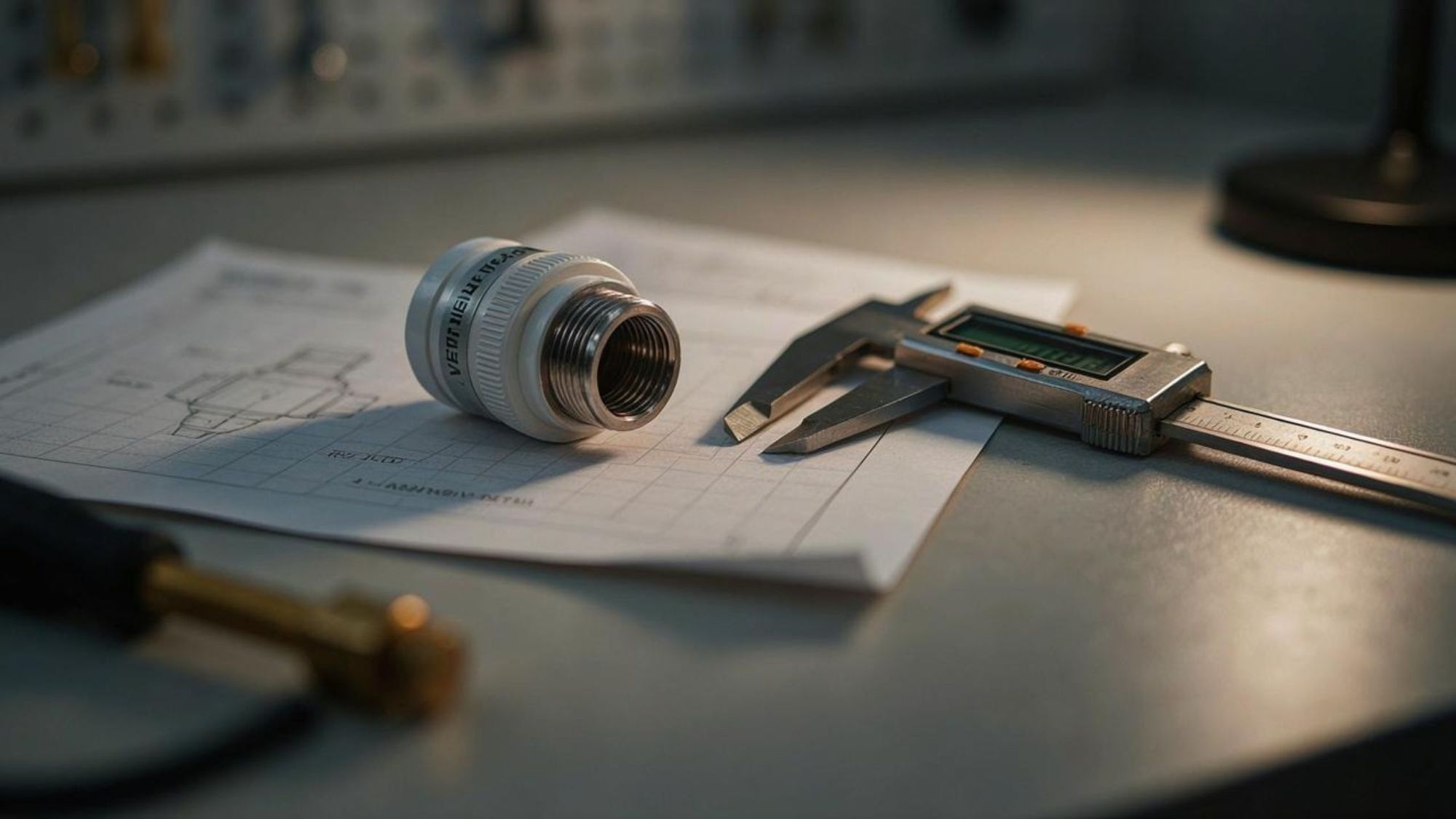
Top Vent Relief Fittings can help protect equipment by providing a controlled path for excess pressure to escape. Pressure can build inside grease systems, tanks, pumps, and other equipment during use. If it has nowhere to go, the pressure may place stress on seals, connections, and other parts.
A relief fitting can release pressure once it reaches a set level, helping reduce the chance of damage. This makes the fitting useful for equipment where pressure control is an important part of safe and steady operation.
The Role of Pressure Relief in Equipment
Pressure can rise for several reasons. Heat, overfilling, blocked passages, or changes during machine operation can increase pressure inside a system. Even a small pressure increase can become a concern if it continues without a proper release point.
A relief fitting provides a way to manage this pressure. Instead of allowing pressure to keep building, the fitting can open at the required level. This gives the system a simple way to control unwanted pressure.
How Top Vent Relief Fittings Support Equipment Protection
The design of a relief fitting allows it to work as a pressure control point. Once pressure reaches the fitting's set range, the valve can release excess pressure. After pressure drops, the fitting can return to its normal position.
This action can reduce stress on equipment parts. It may also help protect seals and connections from pressure levels beyond their intended working range. The correct fitting must always match the equipment and its pressure requirements.
Equipment Where Pressure Relief Matters
Pressure relief can be useful across different types of machinery and systems. The exact application depends on the equipment design, pressure level, fluid or grease used, and operating conditions.
Common applications may include:
- Grease and lubrication systems
- Pumps and mechanical equipment
- Hydraulic-related equipment
- Industrial machinery
- Tanks and fluid-handling systems
- Equipment with enclosed pressure areas
Each application has its own requirements. A fitting designed for one pressure range may not be suitable for another. Checking equipment specifications before installation is an important part of selecting the right product.
Signs of Pressure Problems in a System
Pressure problems may not always be easy to see at first. Small changes in equipment behavior can point to a problem with pressure control or lubrication.
Some signs worth checking include:
- Leaking grease or fluid around connections
- Damaged or worn seals
- Unusual pressure readings
- Difficulty during lubrication
- Fittings that release material unexpectedly
- Visible damage around pressure points
Regular checks can help find problems before they become larger repairs. Any damaged relief fitting should be replaced with a suitable product rather than ignored.
Choosing the Right Relief Fitting
Selecting a relief fitting requires more than choosing a fitting by size. Pressure rating, connection type, material, operating temperature, and application should all be reviewed before installation.
A reliable Bulk Grease Fittings Supplier can be a useful source when different fitting types or quantities are required. Product details should be checked carefully so the fitting matches the equipment's needs. The fitting should also be installed correctly. A poor connection can affect how the fitting works and may create another point where pressure or fluid can escape.
Why Proper Fitting Selection Matters
A relief fitting is a small component, but its job can be important. The wrong fitting may release pressure too early, fail to release it when needed, or simply not fit the equipment correctly.
Equipment operators and maintenance teams should follow manufacturer guidelines for pressure limits and fitting selection. Correct installation and regular inspection can support better system care over time.
Supporting Safer and More Reliable Operation
Good pressure control can support smoother equipment operation. A properly selected relief fitting provides a planned release point instead of leaving excess pressure trapped inside the system.
Top Vent Relief Fittings can be considered for applications where controlled pressure release is needed. Their value comes from matching the fitting to the equipment and using it within the correct operating range.
Routine maintenance also matters. Keeping fittings clean, checking connections, and watching for signs of wear can support reliable performance. Simple checks can prevent small fitting problems from becoming larger equipment issues.
FAQS
What are Top Vent Relief Fittings used for?
Top Vent Relief Fittings are used to provide a controlled way for excess pressure to escape from suitable equipment and systems. They can help reduce pressure buildup and protect parts such as seals, connections, and other components from excessive pressure.
Where can relief fittings be used?
Relief fittings can be used in suitable grease systems, pumps, industrial machinery, tanks, and other equipment where pressure may build. The fitting must match the system's pressure range, connection type, material needs, and operating conditions.
How do relief fittings protect equipment?
A relief fitting can open when pressure reaches its set range and allow excess pressure to escape. This can reduce stress on seals, connections, and other components. Once pressure returns to a suitable level, the fitting can close again.
How should the right relief fitting be selected?
The fitting should be selected based on pressure rating, size, thread, material, temperature, and equipment requirements. Manufacturer specifications should always be checked before installation. A qualified Bulk Grease Fittings Supplier can also provide product information for the required application.
How often should relief fittings be inspected?
Inspection should follow the equipment manufacturer's maintenance schedule and the conditions of use. Fittings should also be checked if leaks, unusual pressure readings, visible damage, or lubrication problems appear. A damaged fitting should be replaced with the correct type.
Final Thoughts
Excess pressure should never be left without a proper control point. The right relief fitting can provide a simple way to release unwanted pressure and reduce stress on important equipment parts. For suitable systems, Top Vent Relief Fittings offer a practical approach to pressure control. Careful product selection, proper installation, and regular checks can keep pressure management on track and equipment ready for the work ahead.